24/7 Safety Monitoring
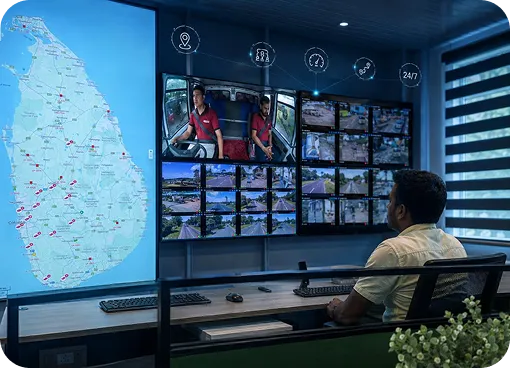
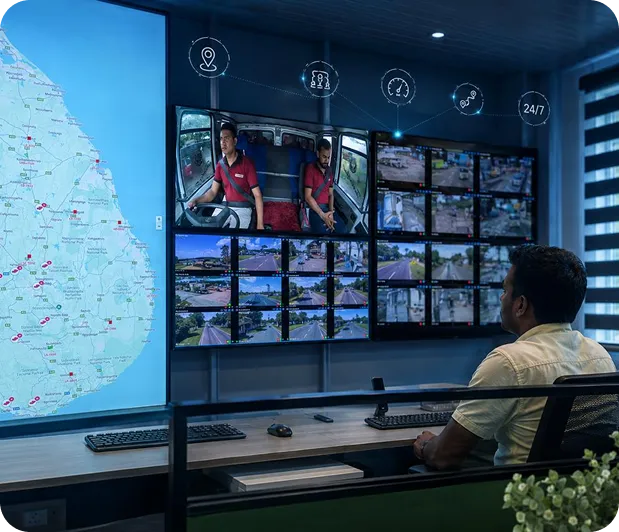
ATL continuously monitors vehicles and driver behaviour to identify speeding, route deviations, excessive stops and other safety risks.

ATL continuously monitors vehicles and driver behaviour to identify speeding, route deviations, excessive stops and other safety risks.
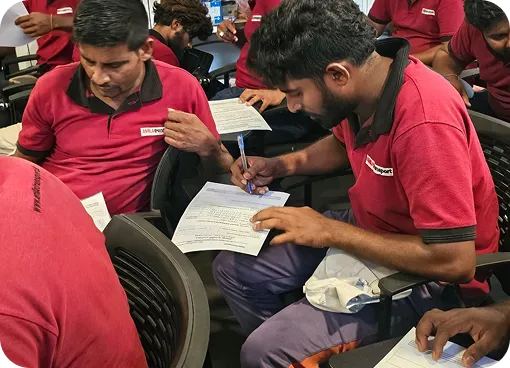
Defensive Driver Training and daily safety-awareness programmes strengthen responsible driving behaviour across the fleet.
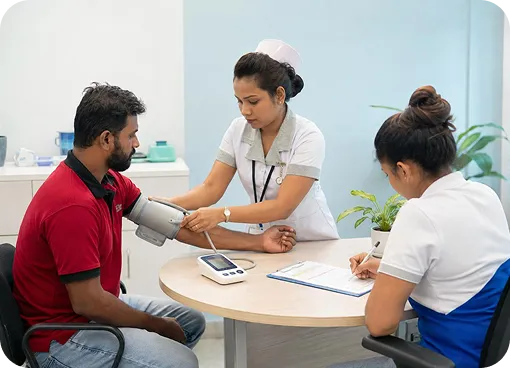
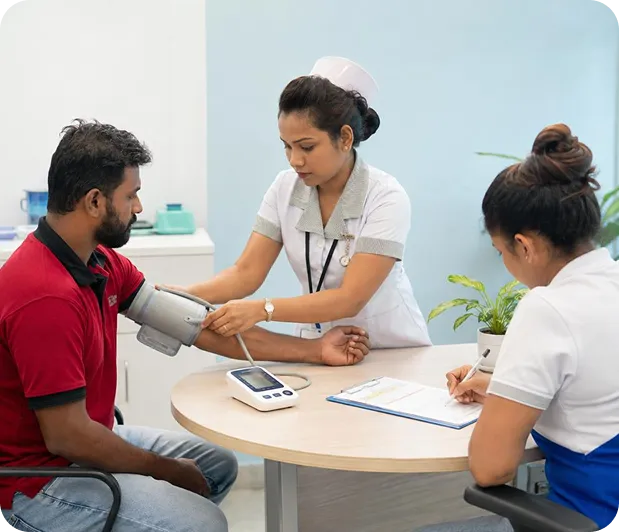
Medical fitness assessments and random alcohol and drug testing help ensure drivers are physically and mentally fit for duty.
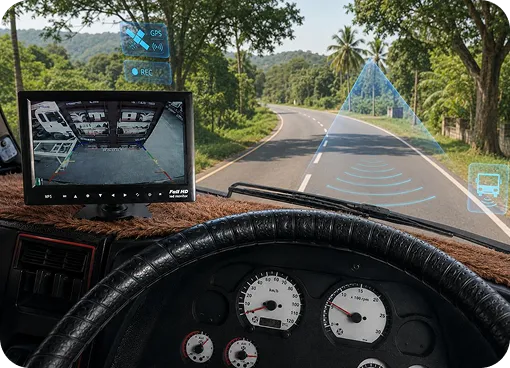
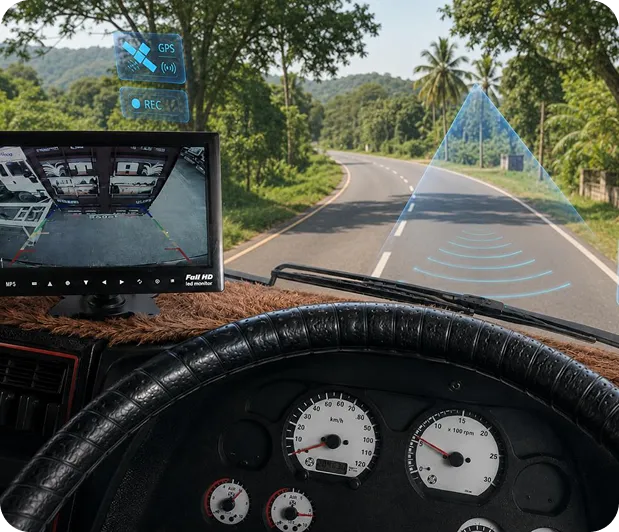
Reverse cameras, ADMS, GPS alerts, door sensors and other safety technologies help protect drivers, helpers, cargo and the public.
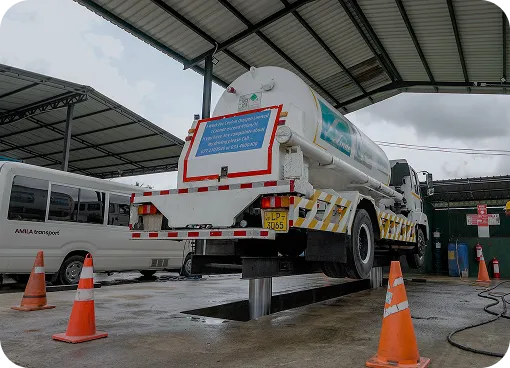
Scheduled inspections, preventive maintenance, an in-house maintenance centre and roadside assistance help keep vehicles safe and roadworthy.
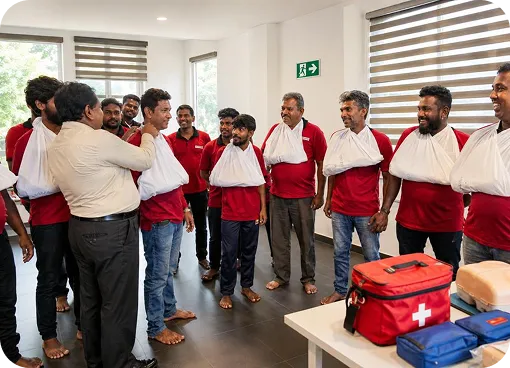
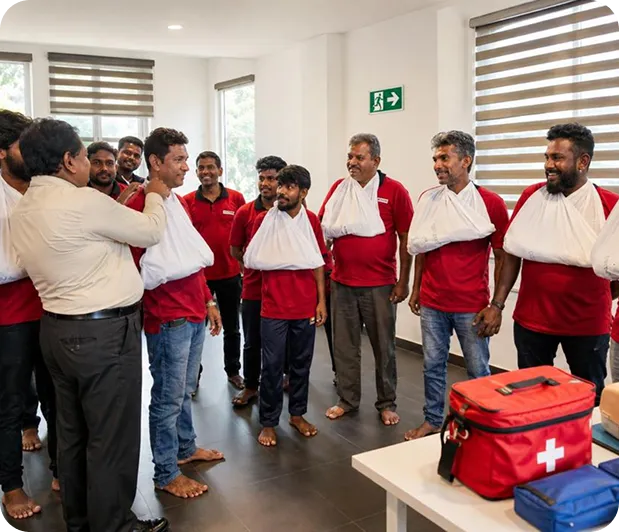
Incident investigation, corrective actions, first-aid training, firefighting training and a dedicated Safety and Compliance team support continuous improvement.
ATL maintains continuous fleet monitoring to identify and respond to potential safety and operational risks. Vehicle movements and driver behaviour are observed through GPS, ADMS and operational monitoring systems.
When a risk is identified, the monitoring and operations teams communicate with the driver and responsible personnel to take timely action. Relevant events are recorded for investigation and continuous improvement.
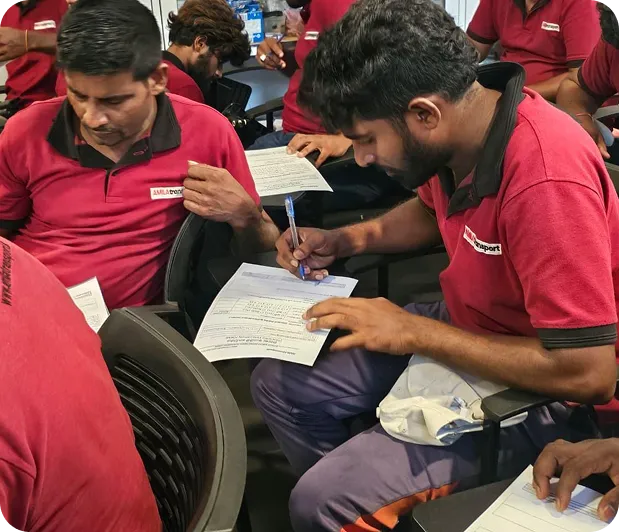
Drivers are central to safe transport operations. ATL conducts structured training and regular awareness programmes to strengthen professional driving behavior and reduce road risks.
Training records are maintained, and refresher programmes are conducted based on operational requirements, incident findings and driver-performance information.
A driver’s physical and mental fitness directly affects road safety. ATL follows structured procedures to confirm that drivers are fit to perform their duties safely.
ATL promotes a safety culture in which drivers are encouraged to report illness, fatigue or any condition that may affect their ability to drive safely.
ATL invests in practical safety technologies that assist drivers, protect helpers and reduce risks around vehicles.
Reverse cameras are particularly important because they reduce the need for helpers to remain in hazardous positions behind vehicles during reversing. New safety technologies are evaluated and introduced based on operational risks and customer requirements.
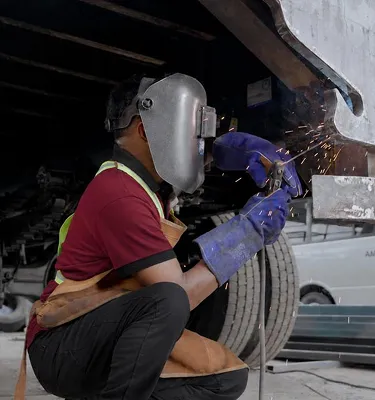
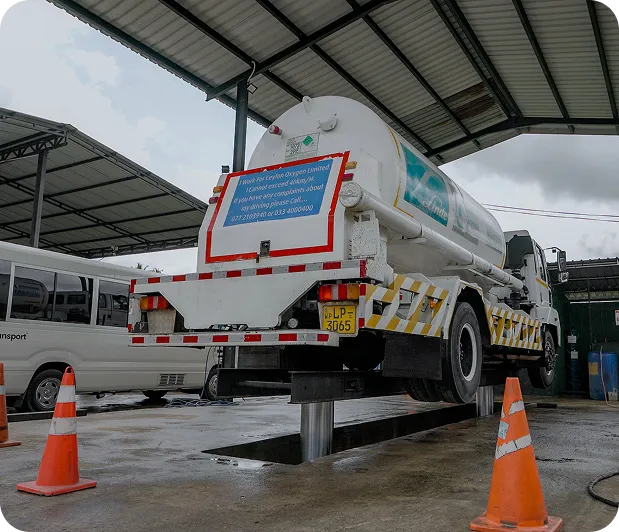
A roadworthy fleet is essential for safe and reliable transportation. ATL follows scheduled inspection and preventive-maintenance processes to identify defects before they affect operations.
Maintenance information is recorded and monitored to support vehicle reliability, regulatory compliance and continuous improvement.
ATL follows a structured process for reporting, investigating and responding to accidents, incidents and near misses. The objective is to understand the cause, implement corrective action and prevent recurrence.
A dedicated Safety and Compliance team supports investigations, training, monitoring and the implementation of improvement actions across the organisation.